Botox is one of the most performed aesthetic treatments in the world. It is also one of the most misunderstood. For every client who walks into my practice with a clear, realistic sense of what Botox can do for them, there is another who has been influenced by a decade of overcorrected celebrity photos or a social media feed full of frozen foreheads and overarched brows.
The gap between what Botox looks like when it is done well and what it looks like when it is not done well is significant. And most of that gap comes down to one thing: who is doing it and how they are thinking about what they are doing.
I want to share what I think every person should understand before they book their first appointment, because I believe that informed clients make better decisions and get better results.
What Botox Actually Is
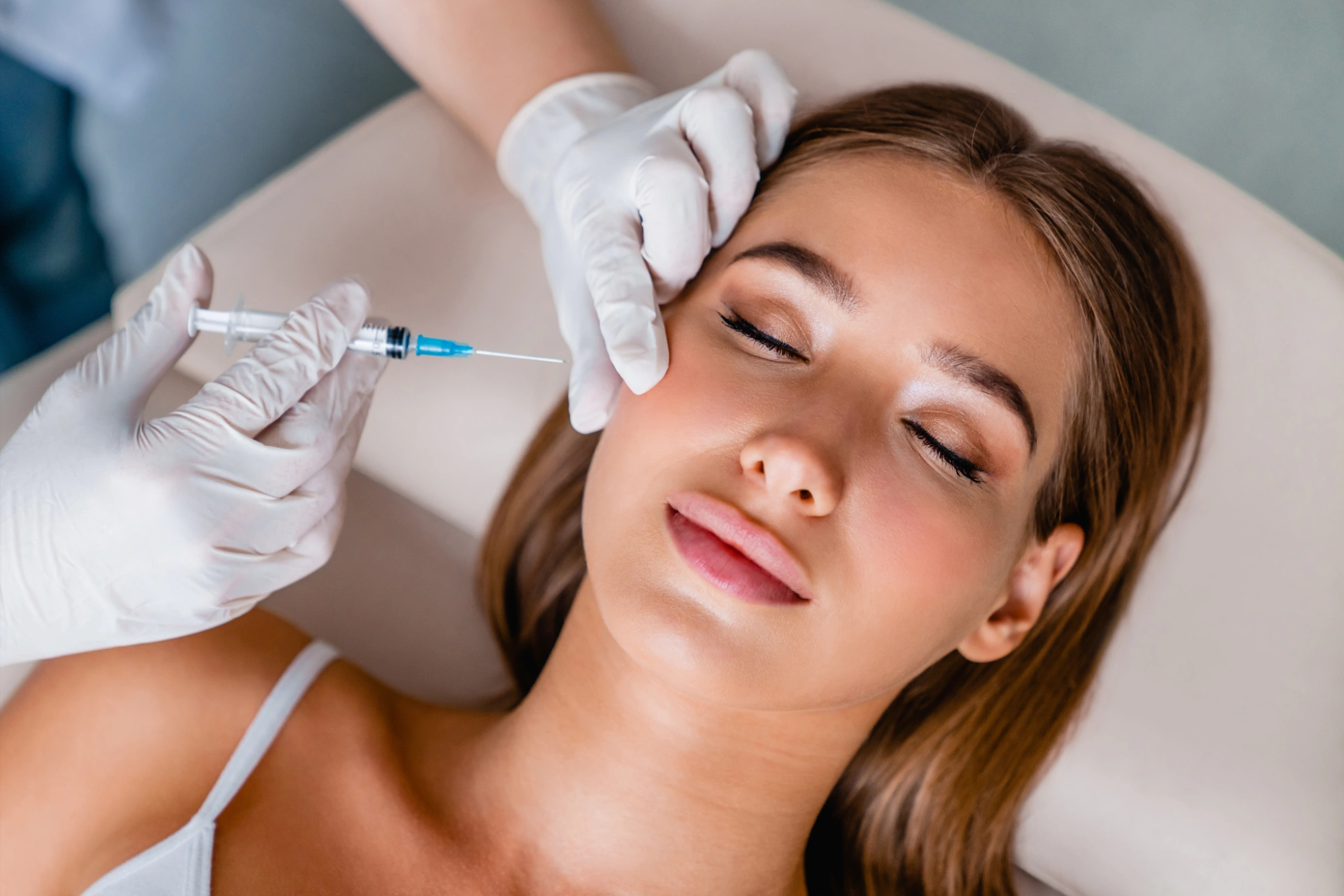
Botox is a purified form of botulinum toxin type A. When injected in precise, small amounts into targeted facial muscles, it temporarily reduces the muscle’s ability to contract. This relaxation softens the dynamic lines caused by repeated movement over time, the horizontal lines across the forehead, the vertical lines between the brows, the fine lines around the outer eyes.
The key word in that description is temporarily. Botox is not permanent. Results typically last three to four months, after which the muscle gradually regains its movement and the lines return to their baseline. Most clients choose to maintain their results with regular appointments, but it is a reversible treatment. That is one of its most important qualities.
What Botox does not do is fill volume, address skin texture, lift significant tissue, or address static lines, the lines that are present even when your face is at rest. Those concerns require different interventions. Setting accurate expectations about what Botox can and cannot address is something I consider part of my job at every consultation.
The Difference Between Frozen and Natural
The frozen look that many people are afraid of is a product of too much product in the wrong places, administered without sufficient attention to individual anatomy. It is not an inevitable outcome of Botox. It is the outcome of a specific approach, or lack of approach, to administering it.
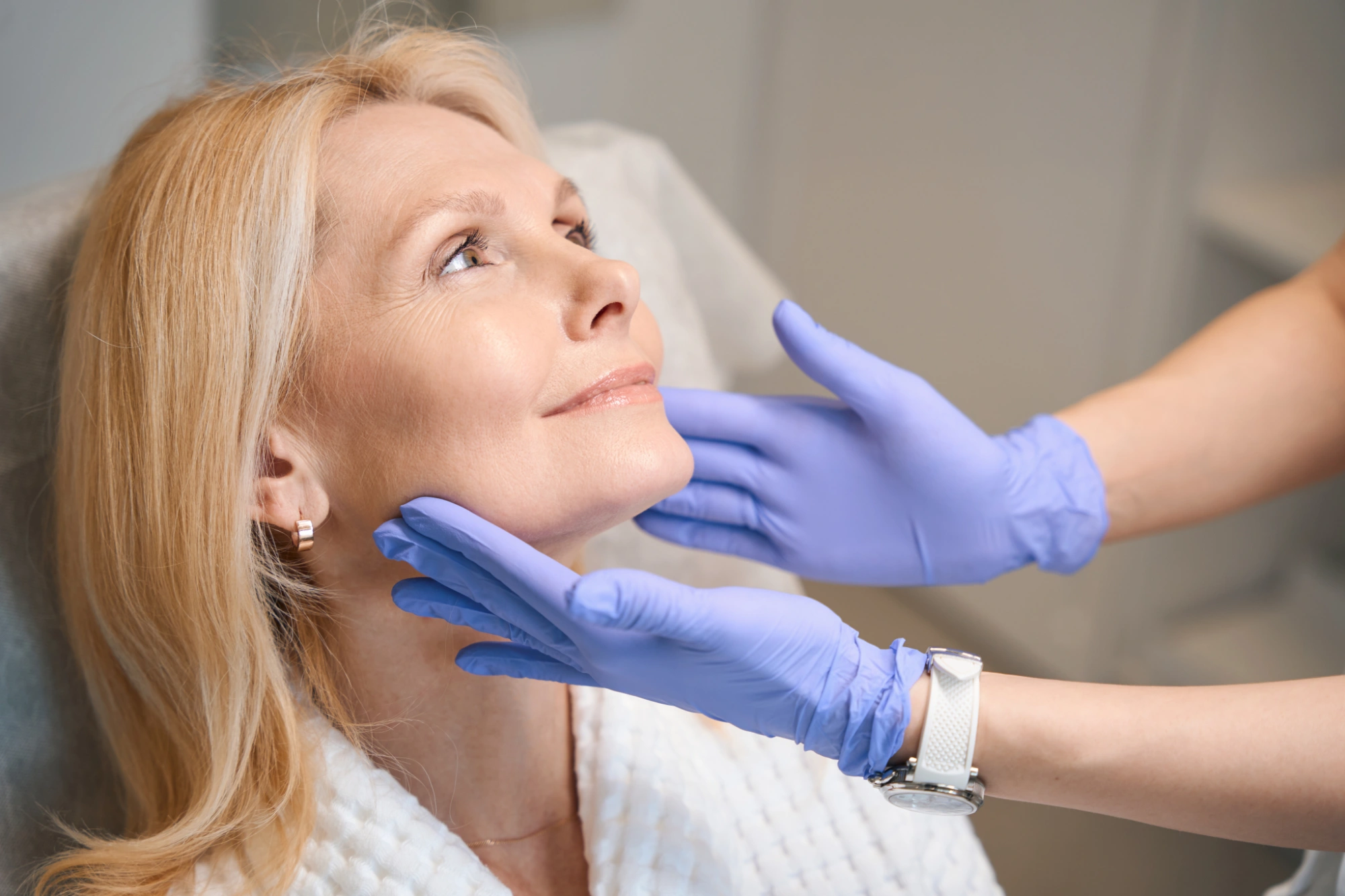
When I evaluate a client for Botox, I am watching how their face moves. I am looking at the relationship between muscle groups, the natural asymmetries that every face has, and the way expression lines form in the context of their specific anatomy. The goal is to soften those lines while preserving the quality of natural expression that makes a face look alive and genuine.
A well-done result should be noticeable in how you feel when you look in the mirror but not obviously identifiable to someone looking at you. If people can tell you have had Botox, something has gone wrong in the approach.
Who Administers It Matters More Than Most People Realize
Botox is widely available. It is offered in medical spas, beauty salons, pop-up injection events, and dermatology offices. The range of training, oversight, and clinical judgment across those settings varies enormously.
Botox is a prescription medication. It requires a thorough understanding of facial anatomy, muscle function, and the downstream effects of neuromodulator placement. Administering it well requires not just technical training but clinical judgment, the ability to look at an individual face and understand what will serve it best rather than applying a standard protocol.
In my practice, every Botox treatment is administered by me. Not delegated. Not supervised by me from across the room. Administered by me, informed by my background in medicine and my understanding of how aesthetic results interact with overall health. That is not how every practice operates, and I think it is worth knowing that before you choose where to go.
What a Consultation Should Actually Include
A Botox consultation should not be a formality before you get injected. It should be a genuine conversation.
I want to know what you are hoping to address, what you have tried before if anything, what concerns you have about the treatment, and what result you are actually looking for. I want to understand your overall health picture because the condition of your skin, your nutrition, your hydration, and your hormonal status all affect how Botox performs and how long results last.
I also want to be honest with you about what I see and what I think. If your expectation is not something I can achieve safely or realistically, I will tell you. If there is a different concern underneath the one you came in with, I will ask about it. The consultation is where the result is shaped.
Realistic Expectations for Your First Appointment
If you are coming for Botox for the first time, here is what to expect.
The treatment itself takes approximately fifteen to twenty minutes. Discomfort is minimal. A very fine needle is used and topical options are available if you prefer them. There is no significant downtime. Some clients experience minor redness or swelling at the injection sites that resolves within a few hours. Strenuous exercise and lying flat are best avoided for the first four hours.
Results are not immediate. You will begin to notice the effect within three to seven days as the muscles respond to the treatment. Full effect is typically visible at two weeks. This is also when I like to see clients back for a brief follow-up, to assess the result and make any small adjustments if needed.
First appointments are often conservative on purpose. It is easier to add than to take back. Starting with a moderate approach and building from there is how you get to a result that looks natural and suits your face over time.
Botox and Overall Wellness
One thing I discuss with aesthetic clients that you may not hear elsewhere is the relationship between Botox results and overall wellness. The clients in my practice who are also engaged in nutrition and metabolic health programs consistently report better and longer-lasting aesthetic outcomes. Skin quality, hydration, inflammation levels, and hormonal balance all affect how Botox performs and how the result looks over time.
This is not a sales pitch for adding services. It is a clinical observation. Aesthetic results do not exist in a vacuum. They are influenced by the health of the body they are happening in. Understanding that connection is part of what I think makes a physician-led approach to aesthetics different from a typical med spa experience.
The Short Version
Botox, done well, should look like you on a well-rested day. It should soften without erasing. It should preserve expression while addressing the lines that no longer reflect how you feel. Getting there requires skill, clinical judgment, and an honest conversation about what you are hoping for.
If you are considering your first appointment and want to have that conversation, I am here for it.
Sources & References:
Botox & Aesthetic Medicine
Carruthers, J. & Carruthers, A. (2003). Aesthetic Botulinum A Toxin in the Mid and Lower Face and Neck. Dermatologic Surgery, 29(5), 468-476.
Frevert, J. (2010). Pharmaceutical, Biological, and Clinical Properties of Botulinum Neurotoxin Type A Products. Drugs in R&D, 10(2), 67-80.
Raspaldo, H. (2008). Volumizing Effect of a New Hyaluronic Acid Sub-Q Skin Booster. Journal of Cosmetic and Laser Therapy, 10(3), 134-142.
Ascher, B., et al. (2005). Efficacy and Safety of OnabotulinumtoxinA in Glabellar Lines. Dermatologic Surgery, 31(11 Pt 2), 1630-1639.